Lausanne Tours

Experience the best of The Olympic Museum

Crafted by Headout, a global experiences brand offering curated tours, tickets & experiences. Discover with ease, book with peace.
Loved by over 57 million guests worldwide

Top things to do in Lausanne

How Headout makes choosing experiences effortless

We curate the best ways to experience

We research and organise all unique experiences - from tickets to tours to special combos - so you get all the choices without the clutter.

We partner with the best

Every supplier is vetted for quality, reliability, and value so you only get top rated experiences. No surprises, no disappointments.

All the best options, in one place

Each experience is thoughtfully organised to give you maximum availability, great value and an easy way to choose.

Book with complete peace of mind

Free cancellations, Flexible payments, and 24/7 support - thoughtfully designed for flexibility, assurance, and total peace of mind.

Slide 1 of 4

Slide 1 of 4
We curate the best ways to experience

Quick overview

  • Ticket breakdown: The Olympic Museum tickets cover the permanent galleries and current temporary exhibition; visits are self-guided, with a smartphone audio guide in 9 languages.

  • Additional access: This The Olympic Museum ticket also lets you use the interactive displays; Olympic Park’s gardens and sculptures can be explored, though the park itself is free.

  • Queues & access: Online booking supports direct QR entry and avoids desk purchase; it does not provide a separate fast-track lane, and busy days can still mean waits.

  • Good to know: Allow about 1.5–2 hours inside, or up to ~2–3 hours with the park.

What to expect at Olympic Museum

olympic museum
1/6

Start in Olympic Park

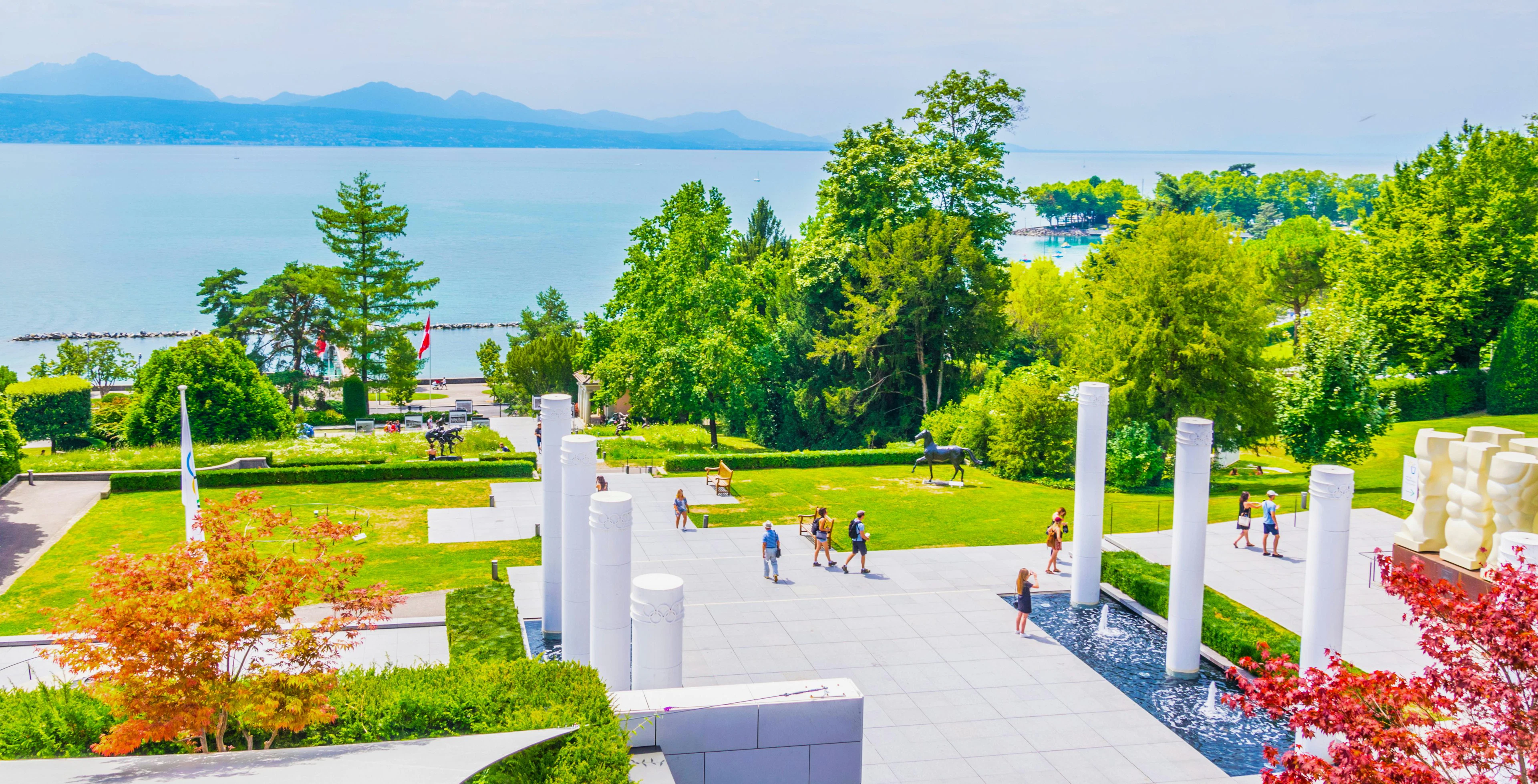
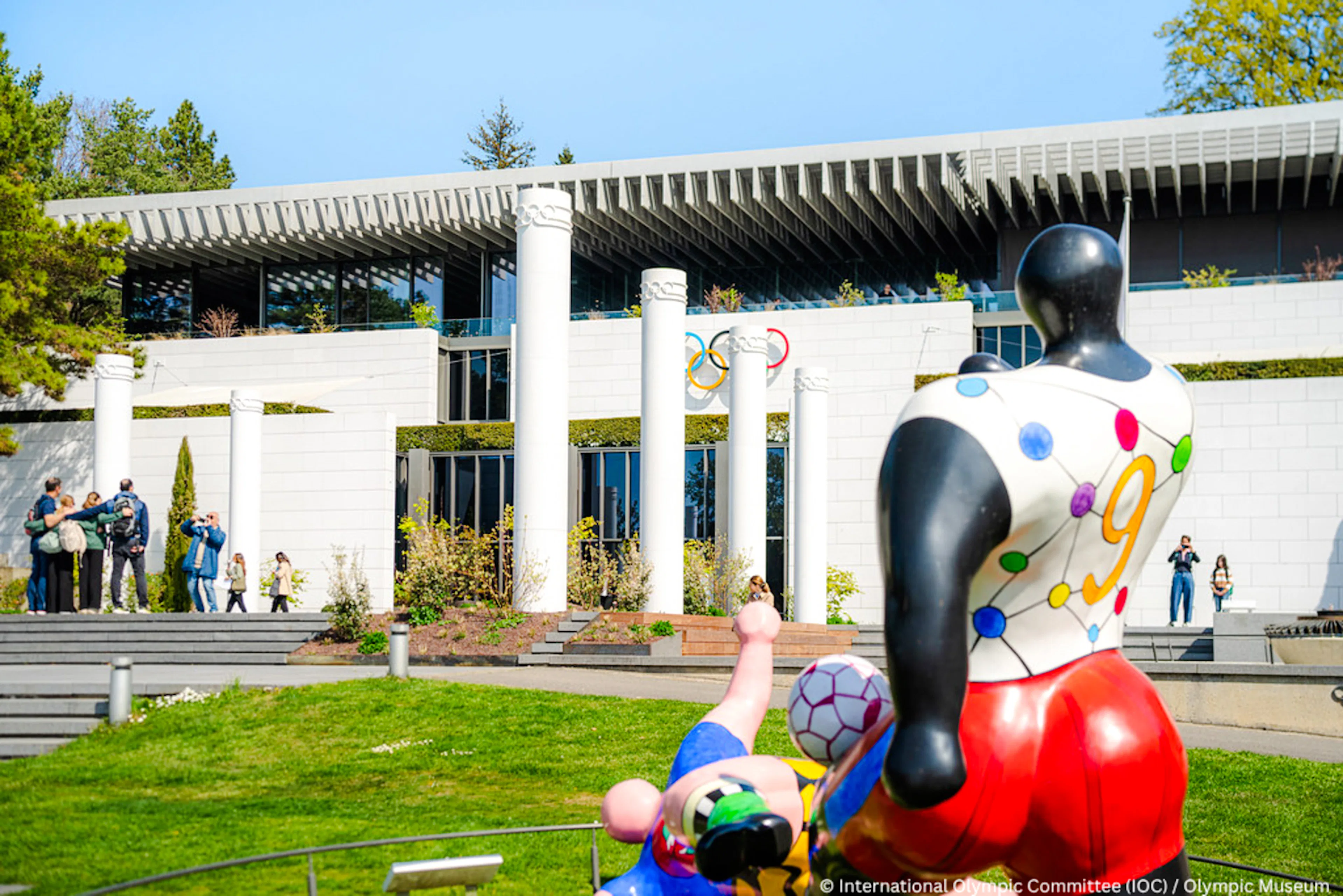
Begin in Olympic Park, the free sculpture-filled grounds above Lake Geneva. Pass the Olympic flame, sports installations, and the 100-metre track before heading inside, where the museum shifts from open-air symbols to the story of the Games.

Olympic World upstairs

Start at Level 1 with Olympic World, the museum’s historical foundation. This section links ancient Olympia to Pierre de Coubertin, the Olympic rings, host-city identity, and the torch tradition.

Medals, torches, competition

Continue to Level 0 for Olympic Games, where the pace feels more competitive and object-led. Look for the torch collection, medal displays, athlete equipment, mascots, and opening-ceremony footage.

Try the Olympic Spirit

On the lower level, Olympic Spirit turns the focus from spectacle to preparation. Explore Olympic Village stories, training, and sport science, then try activities built around balance, reflexes, concentration, and accuracy.

Use the audio as you go

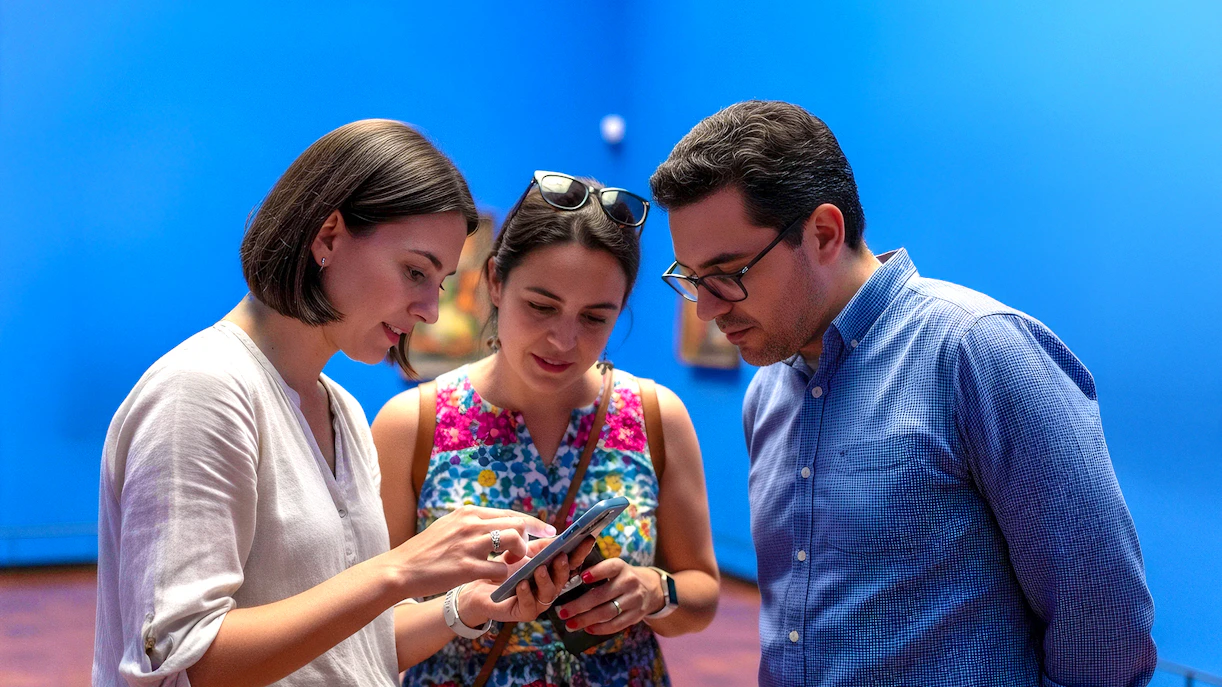
Your visit is self-guided, with a smartphone audio guide Included in 9 languages. Unlike a fixed tour, it lets you slow down for torches and medals or move faster through films.

End by the lake

Most visitors spend about 1.5 to 2 hours inside, then ease into the terrace, shop, or lakeside paths. Olympic Park access is Included, though the gardens and sculptures are also free to visit without museum admission.

Things to know before booking your Olympic Museum tickets

Booking window

• If you’re visiting Lausanne on a fixed date, booking ahead removes day-of purchase uncertainty.

• Before paying full price, check whether you already qualify for included or discounted entry through a city or travel pass. That can change whether you need a separate ticket at all.

Entrances & flow

• Most visitors approach through Olympic Park at Quai d’Ouchy 1. A north-side approach with adapted parking is available for visitors who need easier access.

• Online tickets take you to museum access control, but no separate skip-the-line or priority-security lane exists.

What’s included

• This ticket is the standard self-guided museum entry, with all-day access on your selected date. It includes the indoor galleries, interactive exhibits, and Olympic objects such as torches, medals, and athlete equipment.

• A smartphone audio guide is included in 9 languages: Arabic, Chinese, English, French, German, Italian, Japanese, Russian, and Spanish. You don’t need to download an app.

• Olympic Park sits on the same site, but it is free to visit even without a museum ticket. Meals are not included.

Ways to explore

• The current experience suits independent visitors who want full flexibility. Most visits take about 1.5–2 hours, while deeper visits can stretch to ~2–3 hours with films, interactives, and time in the grounds.

• The included audio guide adds structure without locking you into a group schedule. It is the main verified interpretation option for individual visitors.

Special access, passes, and upgrades

• Lausanne City Pass and Swiss Travel Pass include museum admission, while the Lausanne Transport Card reduces the adult rate instead of making it free. If you hold one of these, a separate ticket can be unnecessary.

• The museum also sells a narrower temporary-exhibition-only admission officially. First-time visitors usually get better value from the full museum ticket because it covers the main three-level experience.

Policies

• Children aged 15 and under enter free when accompanied by an adult. If you’re booking reduced or pass-based entry, carry the proof needed for validation.

• The museum is partially wheelchair-accessible, not fully step-free across every route. If access needs are specific, confirm the north-side route and internal circulation before buying.

• Guide dogs are welcome.

Explore The Olympic Museum

Outside the museum building, Olympic Park is the free sculpture-and-garden area most visitors cross before entering. It includes 43 sports-themed sculptures, a 100-metre running track, and the Olympic flame, so you can add a lakeside stop even without an indoor ticket.

Access: Yes — free; no museum ticket required

The Olympic Studies Centre is the IOC’s research and archive unit, sometimes mistaken for part of the public museum route. It supports Olympic heritage and scholarship, but a standard museum ticket does not include archive access or a separate visitor tour.

Access: No — not included with museum admission

Galleries at The Olympic Museum

Olympic World

Origins, Symbols and Host-City History – Level 1
Start on Level 1, where the route introduces ancient Olympia, Pierre de Coubertin, Olympic rings, torches, mascots, and ceremony footage. This upper-floor sequence sets the chronology before you descend into the competition-focused galleries below.

Olympic Games

Competition, Medals and Athlete Equipment – Level 0
At mid-route on Level 0, the focus shifts to the Games themselves: medals, sporting equipment, historic images, and competition footage. Broad galleries and screens keep the pace moving before the more participatory lower level.

Olympic Spirit

Athlete Life, Training and Interactive Challenges – Lower Exhibition Level
Finish on the lower exhibition level, where training, Olympic Village life, and sport science take over. Interactive stations for balance, reflexes, and concentration make this the most hands-on zone, and often the longest family stop.

Ahead of the Curve

Temporary Exhibition on Innovation and Future Sport
Usually visited after the permanent route, this changing exhibition space looks at sports technology, broadcasting, refereeing, and the future of the Games. Treat it as a specialist detour rather than your main first-time museum circuit.

Olympic Park

Outdoor Sculpture Park and Running Track
Before entry or after the galleries, the free park extends the visit with sports-themed sculptures, the Olympic flame, and a 100-metre track. Follow the lake-facing paths as a low-pressure outdoor loop around the museum building.

Must-see exhibits at the Olympic Museum

Ancient Olympia reconstruction exhibit
1/12

Ancient Olympia reconstruction

Olympic Museum installation (21st century). Location: Olympic World, Level 1. This installation sets up the Games’ ancient roots. Notice how athletic competition sits beside ritual, architecture, and civic identity. Pro tip: Pause in the center before moving to the side panels.

Reconstructed Statue of Zeus

Olympic Museum reconstruction (21st century). Location: Olympic World, Level 1. A key link to Olympia’s sacred setting. Look for the statue’s scale and seated pose.

Pierre de Coubertin display

Various makers (19th–20th century). Location: Olympic World, Level 1. This section explains how the modern Olympics were revived. Focus on the ideas behind internationalism, education, and sport.

Olympic rings interpretation

Pierre de Coubertin (1913). Location: Olympic World, Level 1. One of the movement’s clearest symbols. Notice the simple five-ring design and how repetition gives the emblem meaning.

Olympic torch collection

Various designers (1936–present). Location: Olympic World, Level 1. A signature display tracing host-city design through a ritual object. Compare shapes, materials, and technology.

Host-city history

Various designers and makers (20th–21st century). Location: Olympic World, Level 1. This display shows how each Games reflects its city and era. Look for changes in graphics and messaging.

Olympic mascots

Various designers (1968–present). Location: Olympic World, Level 1. These figures show how host cities create a public image system. Notice shifts with media trends.

Opening-ceremony film

Olympic Museum audiovisual installation (21st century). Location: Olympic World, Level 1. This film condenses the spectacle of the Games’ first night. Watch how music and choreography tell a story.

Historic sporting equipment

Various makers (20th–21st century). Location: Olympic Games, Level 0. Original equipment brings performance to human scale. Compare changes in safety and technique.

Olympic medal collection

Various artists and mints (1896–present). Location: Olympic Games, Level 0. One of the museum’s most remembered displays. Notice design shifts over time.

Competition audiovisual installations

Olympic Museum audiovisual installations (21st century). Location: Olympic Games, Level 0. These screens reconnect objects to movement and sound. Watch how replays turn moments into memories.

Olympic Village interpretation

Olympic Museum installation (21st century). Location: Olympic Spirit, lower exhibition level. This section explains the athletes’ life between events. Focus on space, routine, and logistics.

Plan your visit to The Olympic Museum

Visitors using audio guide inside Frida Kahlo Museum, Mexico City.
  • Opening days: Tuesday–Sunday, open 9am–6pm.
  • Closures: Closed on Mondays. Monday exceptions and holiday closures (Dec 24, 25, 31, Jan 1) apply.
  • Visit length: 1.5–2 hours.
  • Best time: Calmer visits at opening; outdoor focus in spring through early autumn.

Address: The Olympic Museum is at Quai d'Ouchy 1, 1006 Lausanne, Switzerland. Neighbourhood: Ouchy on Lake Geneva. View on Google Maps

Address: The Olympic Museum is at Quai d'Ouchy 1, 1006 Lausanne, Switzerland. Neighbourhood: Ouchy on Lake Geneva. View on Google Maps

Getting there

  • By metro: Take line M2 to Ouchy-Olympique or Jordils, approximately a 10-minute walk from the museum.
  • By bus: Take lines 21 or 25 to Musée Olympique (3-minute walk), line 24 to Parc Musée Olympique, or line 8 to Montchoisi.Lausanne musées+1
  • By car: Paid parking is available at Indigo Port d'Ouchy, approximately a 10-minute walk away. Rates start at CHF 4 for 1 hour or CHF 6 for 2 hours. Paid street parking is also available nearby.
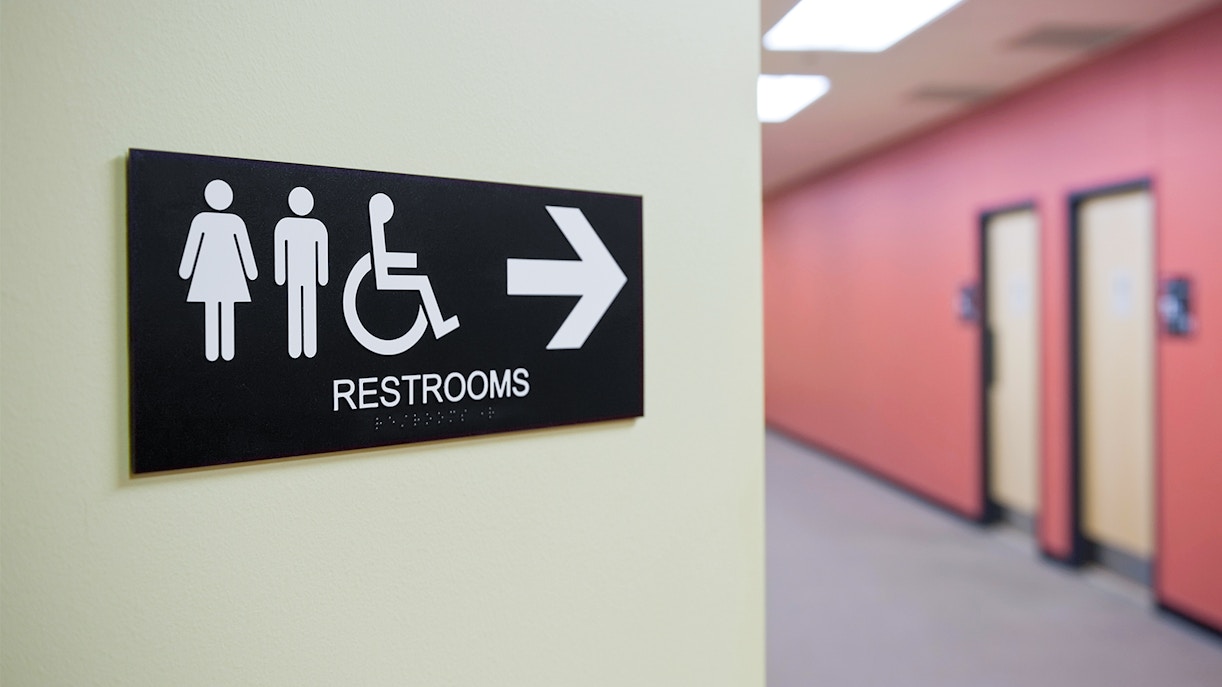
Restroom sign with wheelchair access in a hallway.
  • Restrooms available.
  • TOM Café offers dining with a lake-facing terrace.
  • The museum boutique sells merchandise.
  • A smartphone audio guide is available.
  • Park access, storage, and Wi-Fi are provided.
Wheelchair access sign indicating barrier-free entry.
  • Wheelchair users can use adapted parking; the museum is partially wheelchair-accessible.
  • Accessible toilets and support aids are available.
  • Guide dogs are welcome.
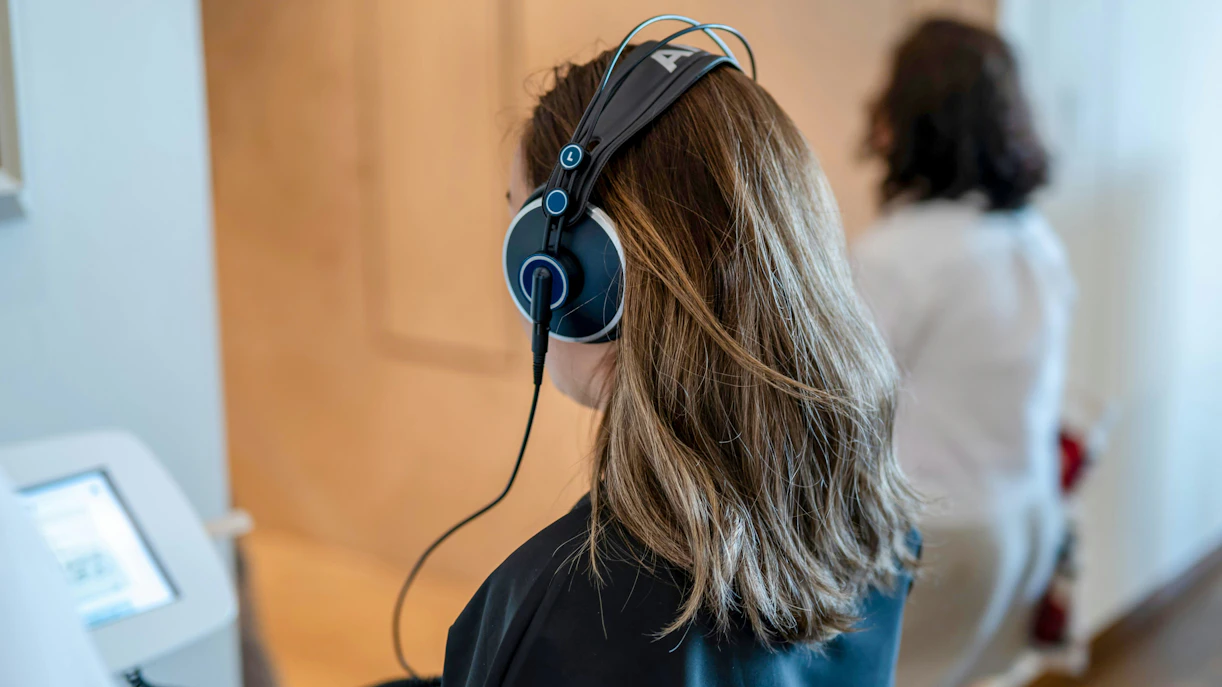
Visitor using audio guide at Oceanographic Museum exhibit.

Ahead of the Curve (Until February 21, 2027)

Discover how innovation has transformed the Olympic Games, from advances in broadcasting and timekeeping to new sports and esports. Explore the evolution of Olympic technology and imagine the future of sport. Included with all-exhibitions admission.

Visitor tips & guidelines

  • Don’t start in Olympic Spirit; the balance and reflex stations hold attention early and weaken the intended top-down story.

  • Begin in Olympic World on Level 1, then descend to Olympic Games; you’ll avoid backtracking and connect symbols to objects.

  • At the Olympic torch collection in Olympic World, stand square-on from the center aisle; the sequence compares cleanly without angled distortion.

  • Read the Olympic medal collection in Olympic Games from one end first; the changing shapes make more sense chronologically.

  • If Olympic Spirit activity stations are occupied, detour to the Olympic Village displays first; short queues form fastest around hands-on challenges.

  • Use the opening-ceremony film in Olympic World as a reset point; seated viewing breaks screen fatigue before the denser Level 0 cases.

  • In Olympic Park, pause halfway below the Olympic flame and look uphill; the slope aligns flame, museum façade, and lake.

  • Save the 100-metre running track in Olympic Park for last; movement resets attention better than stepping straight into the shop.

Frequently asked questions about The Olympic Museum tickets

Advance booking is useful because it secures your museum admission before you travel and avoids ticket-desk uncertainty.